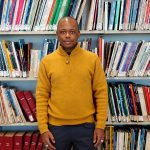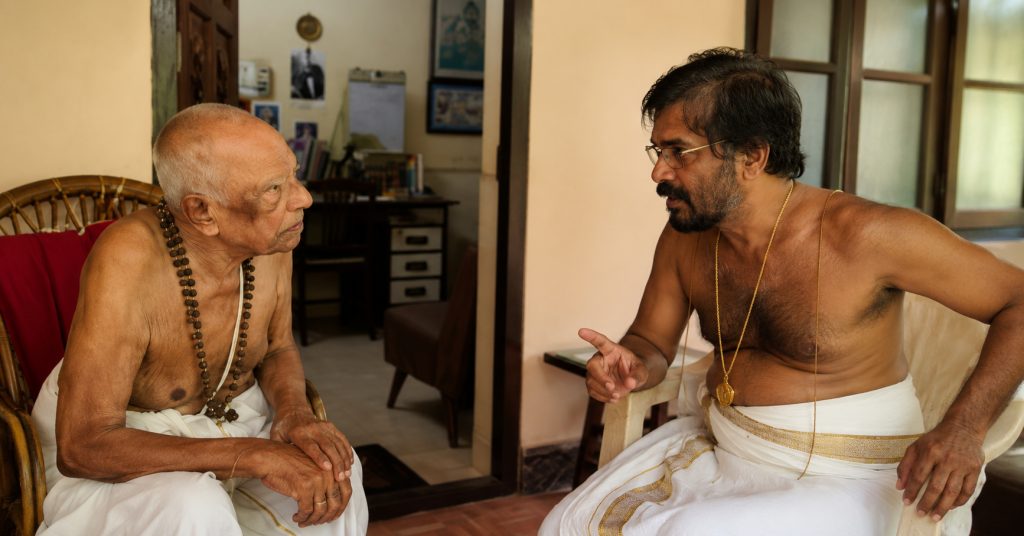
Medicine is often defined by its advances in science, yet its deepest purpose has always been the healing of human beings. Few physicians embodied this truth more profoundly than Dr. C. P. Mathew, one of Kerala’s pioneering medical oncologists, whose lifelong quest for healing eventually led him beyond the boundaries of conventional medicine and into the rich philosophical and therapeutic traditions of India.
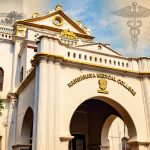
Dr. Mathew graduated from Madras Medical College in 1954 before undertaking advanced medical training at the Government Medical College, Thiruvananthapuram. At a time when cancer treatment in Kerala was still in its formative years, he emerged as one of the state’s earliest medical oncologists, devoting his professional life to patients confronting one of the most formidable diseases known to medicine.
His distinguished career reached its pinnacle at Government Medical College, Kottayam, where he served as Head of the Department of Oncology and later as Vice Principal. For decades, he stood at the forefront of cancer care, witnessing not only the triumphs of medical science but also its limitations. Every patient carried a story beyond laboratory reports, scans, and prescriptions. Beneath every diagnosis lay a human life shaped by fear, hope, relationships, habits, and the quiet resilience that illness often reveals.
These experiences gradually transformed his understanding of healing.
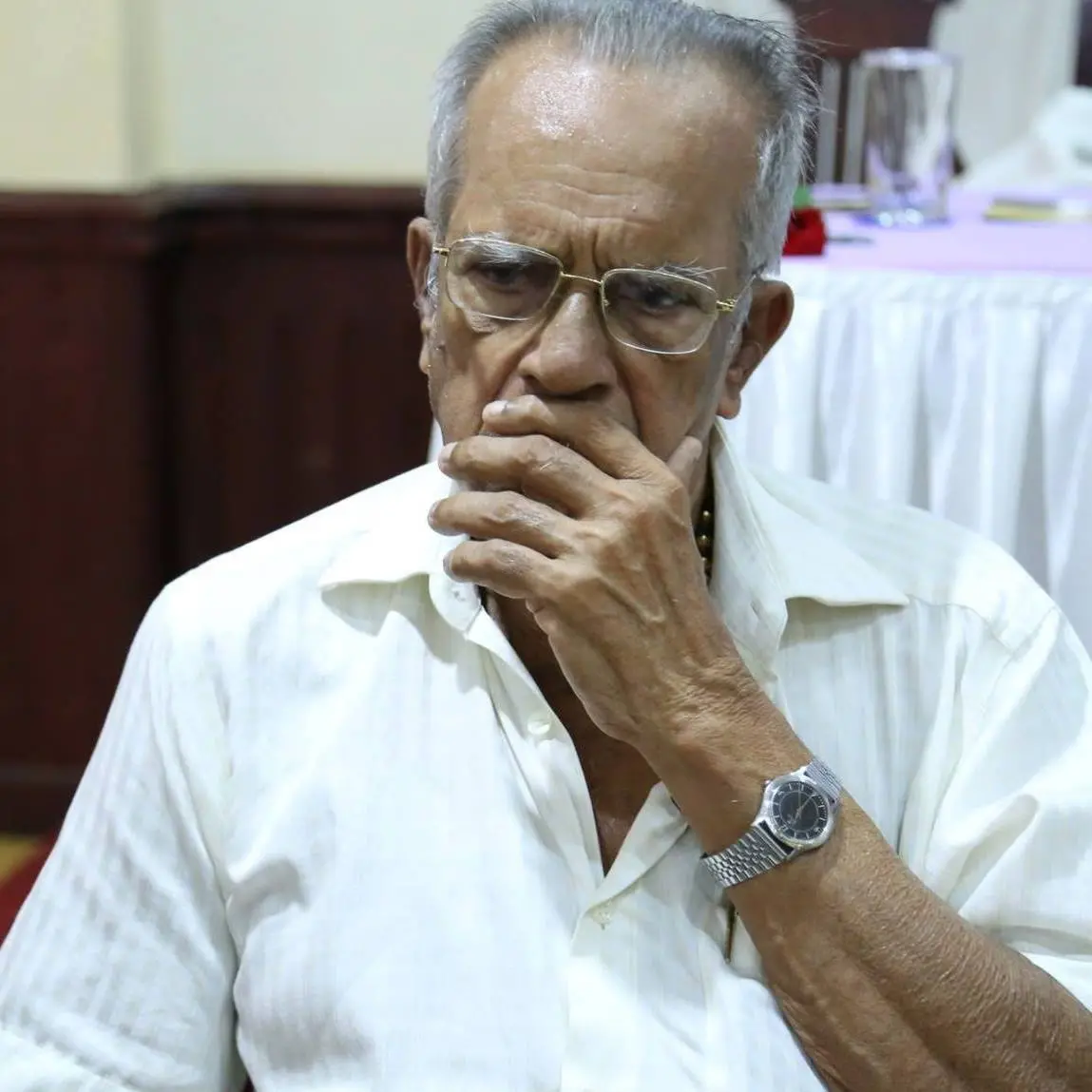 Retirement, for Dr. Mathew, did not signify the conclusion of a career but the beginning of an entirely new intellectual pilgrimage. Instead of withdrawing from medicine, he expanded its horizons. Convinced that health could not be reduced to the treatment of diseased organs alone, he immersed himself in the study of Siddha medicine, Ayurveda, Yoga, Indian philosophy, the Vedas, and the Upanishads.
His objective was never to replace modern medicine with ancient traditions, nor to dismiss scientific advances in favour of inherited wisdom. Rather, he sought a meeting point where the precision of contemporary medicine could coexist with the holistic insights preserved within India’s classical systems of healing. This philosophy, now widely recognised as integrative medicine, became the defining framework of his later years.
At the heart of his approach lay a simple yet profound conviction: healing extends beyond pharmacology. Nutrition, daily habits, emotional well-being, stress management, meditation, physical discipline through yoga, and a meaningful engagement with life all contribute to the body’s capacity to recover and to live with dignity. Where appropriate, he believed these elements could complement evidence-based medical treatment, creating a broader and more compassionate model of patient care.
Many patients and their families later spoke of the comfort, confidence, and renewed quality of life they experienced under his guidance. Their recollections testify not merely to a physician’s clinical knowledge but to his ability to see the individual beyond the illness.
Yet Dr. Mathew’s work also invites thoughtful reflection. While many aspects of lifestyle modification, nutrition, stress reduction, and supportive care continue to receive growing scientific attention, some of the therapeutic methods he explored have not been validated through the level of rigorous clinical evidence required for widespread acceptance within evidence-based medicine. His legacy therefore deserves to be viewed with intellectual honesty, recognising both the lived experiences of patients and the continuing importance of scientific inquiry.
Perhaps this openness to inquiry was itself his greatest contribution. He refused to believe that learning had an endpoint. Even after decades in clinical practice, he remained a student, willing to question established assumptions and to seek wisdom wherever it could be found. In his later years, his studies increasingly embraced Indian philosophy, the Upanishads, the Vedas, and the Siddha tradition, through which he explored the intimate relationship between physical health, consciousness, and the inner life.
Dr. C. P. Mathew passed away on 20 October 2021, but the questions he pursued continue to resonate within contemporary discussions on healthcare. As medicine increasingly recognises the influence of lifestyle, mental health, nutrition, and emotional well-being on clinical outcomes, many of the themes that occupied his later years have assumed renewed relevance.
His life reminds us that the physician’s responsibility extends beyond the eradication of disease. It calls for an understanding of the person who bears the illness, of the circumstances that shape health, and of the dignity that every patient deserves throughout the journey of care.
Dr. Mathew’s enduring legacy lies not in advocating a single system of medicine, but in challenging us to think more deeply about healing itself. His journey stands as a testament to intellectual humility, lifelong learning, and the conviction that medicine, at its finest, is an act of compassion informed by both knowledge and wisdom.
He believed that a physician’s task was not merely to fight disease, but to care for the human being living through it. In that belief, his life’s work continues to inspire.