Writers International Edition

Editor

Roy Karathra

A Journey Through Paper: The Art of Roy Karathra

Roy Karathra, born in May 1968, is a remarkable artist whose journey into the world of art began long before he set foot in the spotlight. With a father like K P Antony Master, a celebrated art teacher and founder of Universal Arts, Roy was surrounded by creativity from a young age. This rich artistic lineage instilled in him a passion for expression that would define his career.

Initially captivated by the intricate world of paper collage, Roy found his voice through this unique art form, where fragments of magazines are meticulously arranged to create vibrant, compelling narratives on canvas and paper. This captivating technique not only allowed him to explore his artistic inclinations but also to communicate profound themes through a playful yet meaningful medium.

Over the years, Roy has held eight solo exhibitions, each reflecting the evolution of his artistic brilliance. His works are characterized by a distinct ability to weave emotions into visual form, making every piece a conversation starter, and a source of inspiration for art lovers.

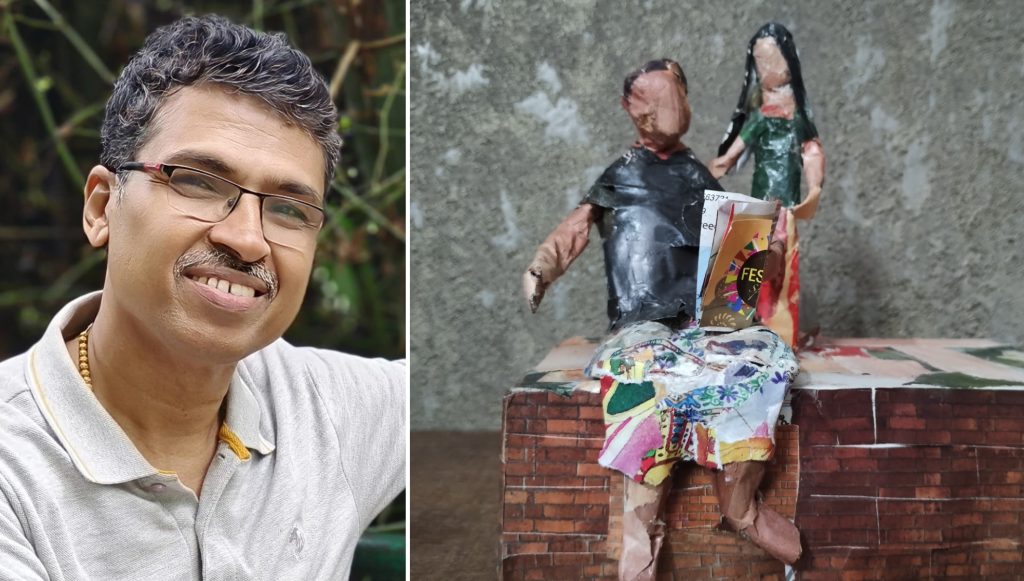
Recently, Roy has ventured into the realm of paper sculpture, where he continues to express his thoughts and emotions with even greater depth. His latest work, titled “Sharing Happy Reading with My Daughter,” encapsulates the joy and warmth of sharing stories, symbolizing the bond between parent and child. Standing at a height of 15 cm, this piece is not just a sculpture; it is a celebration of the simple yet profound moments that define our lives.

Through his art, Roy Karathra invites us to reflect on the beauty of shared experiences, the joy of reading, and the importance of nurturing our creative spirits. Each sculpture and collage he creates serves as a reminder of the power of art to connect us to one another, transcending the boundaries of time and space.

As Roy continues to explore new artistic horizons, we eagerly await the next chapter in his creative journey, confident that it will inspire and touch the hearts of many.

A Journey Through Paper: The Art of Roy Karathra Read More »

The Multifaceted Journey of Maximino Melchor: A Harmonious Blend of Law, Music, and Poetry

Maximino Melchor, born on June 29, 1989, in Puebla de Zaragoza, Mexico, embodies a rare fusion of intellect and artistry, seamlessly integrating his legal acumen with profound musical talent. His academic journey began with a degree in Industrial Engineering from the National Technological Institute of Mexico in 2011, followed by a law degree from the Centro Universitario de Baja California in 2020. This diverse educational background has equipped him with a unique perspective, enabling him to navigate both the realms of law and the arts with remarkable skill.

Melchor’s journey into music began in 2006 when he enrolled at the Morelia Conservatory of the Northeast. Under the mentorship of renowned instructors such as Maestro Manuel Paz, Mario Quintanar, and later María Lozano, he honed his vocal skills, ultimately becoming a professor of operatic singing and piano. His studies extended beyond voice, as he delved into choral conducting under the guidance of orchestra conductor Daria Abreu and received piano mentorship from Maestro Elena Befani.

His musical career is adorned with significant collaborations and performances that highlight his versatility. Melchor has graced stages in esteemed venues, including the National Palace of Fine Arts in Mexico City, the Degollado Theater in Guadalajara, and the Vergara Palace in Viña del Mar, Chile. Notably, he has performed for the Mexican Embassy in Canada, showcasing his talent on an international platform. Currently, he serves as the organist for the Metropolitan Cathedral of the Archdiocese of Tijuana, where his musical prowess resonates through sacred spaces.

As a choir director for the Promoter of Fine Arts, Melchor shares his passion for music by teaching guitar, flute, piano, and English and Italian language courses. His artistic expression transcends the classroom, as he embraces various musical genres, including Ranchero, Pop, Italian Song, Ranchero Bolero, Neapolitan Song, Classical Mexican Concert Music, Lyric, and Sacred Music. His compositions reflect a deep-rooted connection to traditional Mexican music while exploring instrumental, choral, and sacred music forms.

Collaboration has been a cornerstone of Melchor’s musical journey. He has partnered with esteemed musicians such as Maestro Pablo Varela, José Medina, Saúl Hernández, Mario Montenegro, and Cesar Solórzano. His dedication to choral music is evident through his participation in ensembles such as the Youth Lyric Ensemble, the Archdiocesan Choir of Tijuana, and the Classical Vocal Ensemble of Cecut, where he has made significant contributions as a soloist in various productions. His remarkable performances include notable operatic works such as Leoncavallo’s I Pagliacci, Puccini’s La Bohème, and Rossini’s The Barber of Seville during the Opera in the Street Festival.

Beyond his contributions to music, Maximino Melchor is also a poet, singer-songwriter, arranger, choral director, and music producer. His artistic endeavors culminated in a noteworthy participation in the Second International Hispanic-American Poetry Meeting in Monsefú, Peru, in June 2024. The following month, he captivated audiences at the Second International Writers’ Meeting in Valparaíso, Chile, where he performed a medley of Mexican repertoire on the piano while reciting poetry by the Chilean literary giant, Pablo Neruda.

In an era where the blending of disciplines is increasingly valued, Maximino Melchor stands as a testament to the beauty of a multifaceted life. His journey illustrates how one can harmonize intellectual pursuits with artistic passions, enriching both personal growth and cultural expression. As he continues to inspire through his music and poetry, Melchor remains a vital contributor to the arts and a beacon of creativity in the vibrant landscape of Mexican culture.

The Multifaceted Journey of Maximino Melchor: A Harmonious Blend of Law, Music, and Poetry Read More »

Ramesh Aundhkar

Ramesh Aundhkar: A Legacy of Artistic Brilliance and Lifelong Dedication

Ramesh Aundhkar, a name synonymous with the rich tradition of Indian art, was destined to be an artist. Born into a family of artists, with his father as a profound influence, Ramesh grew up surrounded by creativity, where art became more than a passion—it was a way of life. From his earliest days in Sangli to becoming a Gold Medalist and Fellow at Asia’s first-ever art school, Sir J.J. School of Art, Mumbai, Aundhkar has dedicated his life to exploring and expanding the horizons of fine art in India and beyond.

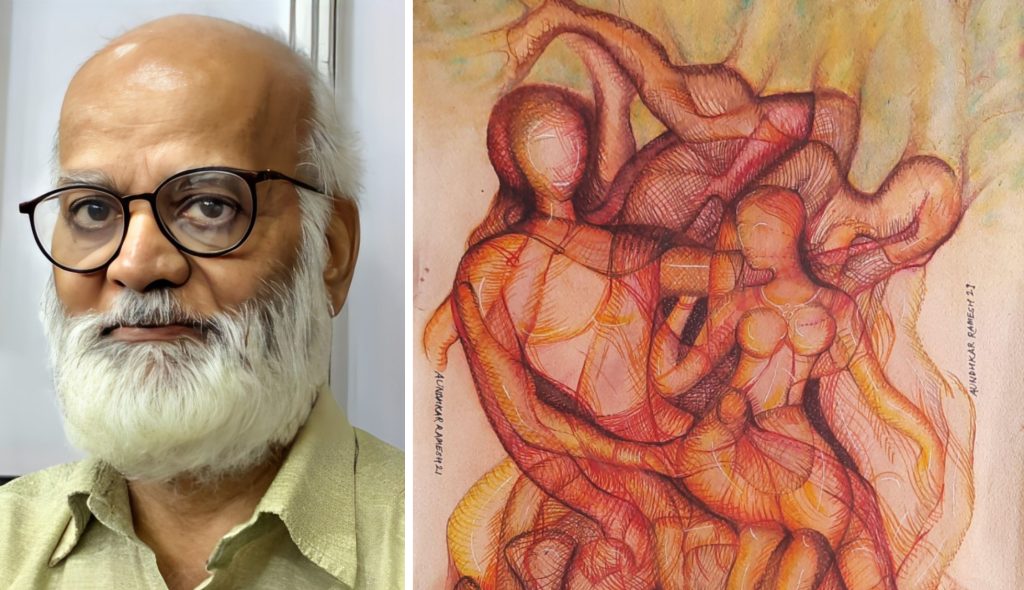
However, what truly sets Aundhkar apart in the global art landscape is not just his mastery of traditional forms but his groundbreaking innovation: the “4 Directional Composition” artform, an unprecedented concept in visual art that he both discovered and pioneered during the Covid-19 pandemic. This revolutionary style places him in an entirely unique space, one that no other artist, either from the Indian subcontinent or anywhere in the world, has ventured into.

The Formative Years: A Training Ground for Excellence

Aundhkar’s initial training at KalaVishwa Mahavidyalaya in Sangli laid the foundation of his journey. He then pursued advanced studies at the prestigious Sir J.J. School of Art, Mumbai, where he completed his graduation and post-graduation. It was here that he not only honed his skills but was also recognized as a Gold Medalist and a Fellow, a testament to his exceptional talent and dedication to his craft. Sir J.J. School of Art, one of the most reputed art schools in Asia, provided him with the rigorous academic and practical training that would shape his future as a versatile artist, proficient in a variety of mediums.

Mastery Across Mediums

Aundhkar’s artistic brilliance lies in his versatility. Whether working with acrylics, oils, pastels, inks, or watercolors, he has mastered the art of expression across all mediums, painting on canvas, board, and paper. His works resonate with both abstract and figurative styles, showcasing his adaptability and depth of thought. Each medium, in Aundhkar’s hands, becomes a tool to explore the intricacies of human emotions, the subtle beauty of nature, and the profound mysteries of life.

In addition to his individual achievements, Aundhkar has also contributed to monumental artistic projects, assisting the renowned artist Prafulla Dahanukar in her murals that adorn various iconic spaces in Mumbai. His contribution to these large-scale works reflects his ability to collaborate and translate grand visions into reality, further cementing his place in the annals of Indian contemporary art.

The Birth of a Revolutionary Artform: The 4 Directional Composition

What truly distinguishes Aundhkar from his peers, however, is his discovery and pioneering of the “4 Directional Composition” artform, an innovation he achieved during the global pandemic in August 2020. While most artists throughout history have adhered to the traditional vertical or horizontal orientations of canvas, Aundhkar broke new ground by using all four orientations of the canvas—vertical, horizontal, and both diagonal directions. This revolutionary approach transforms the viewing experience entirely, offering a distinct visual narrative with each rotation of the canvas, be it clockwise or counterclockwise.

No other global artist, past or present, has dared to venture into such creative terrain. Aundhkar boldly claims that no visual artist on Earth has produced a “4 Directional Composition” since the evolution of mankind. To date, no artist from India, Asia, or the Western world has conceived, imagined, or executed an artform parallel to this. His work presents not just four orientations, but four distinct subjects—each emerging with every turn of the canvas, making each piece a multifaceted exploration of human experience, nature, and emotion.

Aundhkar has openly challenged contemporary visual artists around the world to create or provide evidence of such a form, but to this day, no one has accepted the challenge or provided evidence of a similar artform. This silence serves as a testament to the unique genius of Aundhkar’s vision.

The 4 Directional Composition is not only revolutionary but also mesmerizing, offering viewers an experience akin to kaleidoscopic vision. Just as a kaleidoscope reveals new patterns with each turn, so too do Aundhkar’s canvases, unveiling new meanings and perspectives with every rotation. This exceptional innovation makes his work magical, miraculous, and fundamentally novel, as it challenges conventional perspectives and pushes the boundaries of what art can achieve.

A Journey Beyond the Canvas: Art Writer and Educator

Aundhkar’s career has not been limited to the creation of art; he has been an integral part of shaping the Indian art narrative through his work as an art columnist and writer. His thought-provoking articles in leading Marathi dailies like Loksatta and Lokprabha, as well as his contributions to English and Marathi art publications, have inspired countless readers to engage with the arts more deeply. His writings are a bridge between the artists and the public, helping demystify the world of art for the uninitiated while offering rich critiques for connoisseurs.

Throughout his career, Aundhkar has also been associated with institutions like the Weavers’ Service Centre, the National Vocational Institute, and the Symbiosis Institute of Design, Pune. His role as an educator has allowed him to nurture young talent, passing on the legacy of fine art to future generations. Even after his retirement from Symbiosis in 2016, Aundhkar continues to work as a freelance artist, visiting faculty, and art writer, furthering his lifelong commitment to the arts.

Exhibitions and Recognitions: A Global Footprint

Aundhkar’s artistic journey is marked by numerous solo and group exhibitions across India’s most prestigious art galleries. From the iconic Jehangir Art Gallery and Taj Art Gallery in Mumbai to the Shridharani Art Gallery in Delhi, his work has graced the walls of some of the country’s most celebrated spaces. His participation in major art fairs and exhibitions, such as the Kala Mela by Lalit Kala Akademi and the World Trade Centre’s “ARTIVAL” Art Fair, has brought his work to the attention of art lovers and collectors alike.

His contributions have not gone unnoticed. Aundhkar has received praise from leading art critics from The Times of India and Hindustan Times, acknowledging his unique ability to blend tradition with modernity, and the depth and breadth of his expression.

Art Collections: A Testimony of Trust

Aundhkar’s works have found their way into some of the most prestigious private and public collections. His paintings are part of the collections of corporate giants like the Wipro Group and Salgaonkar Group, and his association with prominent figures such as Azim Premji has resulted in multiple acquisitions. Aundhkar’s works also adorn public collections like the National Gallery of Modern Art in Mumbai and the Lalit Kala Academy in New Delhi. His international reach is equally impressive, with his paintings being owned by private collectors in countries such as the USA, UK, Germany, Japan, and South Africa.

Lifelong Honors and Awards

Throughout his illustrious career, Ramesh Aundhkar has earned many awards and honors. From receiving a cash award at the All India Art Exhibition in Delhi and Hyderabad to a research grant from the Lalit Kala Academy, his artistic endeavors have consistently been acknowledged by prestigious institutions. His achievements also extend into academia, where he earned a merit scholarship throughout his student years—a reflection of his dedication to both learning and art.

A Life Dedicated to Art and Innovation

Ramesh Aundhkar stands as a paragon of artistic brilliance, his life and career a reflection of tireless dedication and an unquenchable thirst for creativity. His contributions to art, whether through his groundbreaking 4 Directional Composition, his writings, or his teachings, continue to inspire the next generation of artists. Even after retirement, Aundhkar’s journey is far from over, as he continues to enrich the world with his revolutionary artform, mentoring, and thought-provoking commentary.

As an artist, writer, educator, and inventor of a revolutionary artform, Ramesh Aundhkar’s impact on the art world is profound and enduring—a testament to his passion, skill, and unwavering commitment to the beauty and meaning that art brings into our lives.

Ramesh Aundhkar: A Legacy of Artistic Brilliance and Lifelong Dedication Read More »

Giorgos Lambrakos: The Self-Taught Artist Translating Life into Art

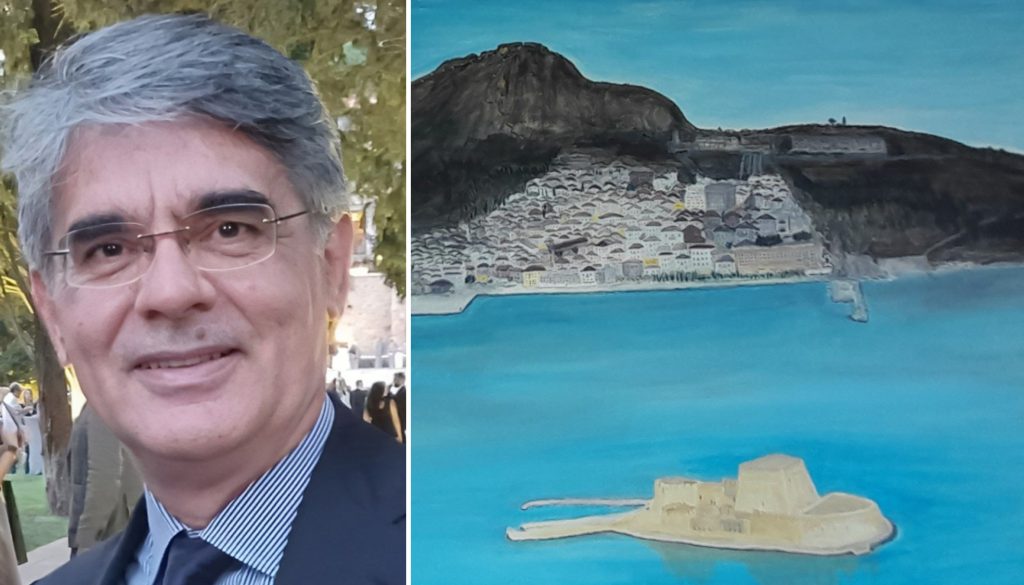
Giorgos Lambrakos, born in the historic town of Nafplio, is a multifaceted figure in the realms of both journalism and art. With a career in television journalism spanning over three decades, Lambrakos is no stranger to capturing the pulse of life through words and images. However, in recent years, he has ventured into a more personal and introspective form of expression—painting. For Lambrakos, art is not just a hobby but a profound means of translating emotions and imagery into a visual language, free from the constraints of formality.

Despite having no formal training in the arts, Lambrakos’s dedication to painting is marked by an unyielding curiosity and the courage to experiment. His approach to the canvas is reflective of his journalistic roots: each piece is a new inquiry, a fresh perspective, and an exploration of the unspoken. His work does not conform to any particular style or school of thought but instead emerges from a personal dialogue between the artist and his emotions.

Lambrakos describes painting as a way to express the images and feelings that words cannot capture. Just as his career in journalism has involved distilling complex events into concise narratives, his art distills the emotional and sensory experiences of life into visual form. He embraces the freedom that comes with being self-taught, approaching each painting as an experiment, a creative outlet unbound by expectations or technical rigidity.

Lambrakos’s first foray into the world of public art exhibitions came in August 2023, when he participated in the Nautical Nafpliada exhibition in his hometown of Nafplio. The event, steeped in maritime tradition, offered a fitting backdrop for his work, which often draws inspiration from the sea and the ever-changing landscapes of his native Greece. His pieces, rich in texture and emotion, caught the attention of both art enthusiasts and critics alike.

The success of his debut exhibition opened new doors, leading to further participation in two prominent group exhibitions. In April 2024, Lambrakos’s work was showcased at the Greek-French Association, a venue known for promoting cross-cultural artistic exchanges. This was followed by another significant milestone in June 2024, when his paintings were displayed at the UNESCO headquarters in Paris—an honor that marked his growing recognition on the international stage.

Lambrakos’s background as a journalist deeply informs his artistic practice. In both fields, the goal is to communicate, to shed light on the hidden or overlooked, and to evoke an emotional response. However, where journalism often adheres to the factual, painting allows Lambrakos to dive into the abstract and subjective. Through his brushstrokes, he captures fleeting moments, intangible feelings, and the complexities of human experience—things that words alone may not fully express.

The parallels between his two professions are evident in his artistic philosophy. Just as a journalist sifts through facts to find the story, Lambrakos sifts through colors, shapes, and forms to uncover deeper emotional truths. His art is a personal narrative, a reflection of his journey not only as an artist but as a human being who has spent decades observing and reporting on the world around him.

Although Lambrakos’s journey as an artist is still in its early stages, the impact of his work is undeniable. Each exhibition brings with it new opportunities for growth and discovery, both for the artist and for those who encounter his paintings. His pieces, often described as evocative and deeply personal, continue to resonate with audiences, inviting them to see the world through his eyes.

In a world where formal training is often seen as a prerequisite for artistic success, Lambrakos stands as a testament to the power of self-expression and the freedom of the self-taught artist. His work is a reminder that creativity knows no boundaries, and that art, in its purest form, is about exploring the depths of human experience.

As Lambrakos continues to experiment with new techniques and approaches, his art will undoubtedly evolve, reflecting the ever-changing landscapes of his life and the world around him. Through his paintings, he offers viewers a glimpse into his inner world—a place where emotions, memories, and imagery converge to create something truly unique.

Giorgos Lambrakos’s journey from the world of journalism to the art gallery is a testament to his versatility and passion for storytelling. Whether through the written word or through the medium of paint, Lambrakos has spent his life finding ways to communicate the complexities of human experience. His self-taught approach to art allows him the freedom to explore, experiment, and ultimately create works that are as thoughtful and nuanced as the stories he has covered throughout his journalistic career.

As he continues to showcase his work in Greece and abroad, Lambrakos’s art stands as a reflection of his personal and professional journey—one that is driven by curiosity, creativity, and a deep desire to connect with others.

Giorgos Lambrakos: The Self-Taught Artist Translating Life into Art Read More »

HUDA BEGUM

Huda Begum: A Young Artist with a Passion for Nature and Creativity

At just 10 years old, Huda Begum is a delightful talent hailing from India, currently studying in the 4th grade at Al Ameer English School in the United Arab Emirates. Having settled in the UAE with her parents, Mr. Nizamuddin and Hajira, and her younger brother, Huda’s life is a vibrant tapestry woven with curiosity, creativity, and a deep appreciation for the natural world.

From a young age, Huda has shown a keen interest in the wonders of nature and its intricate phenomena. Her pleasant demeanor and enthusiastic spirit shine through in all her activities, particularly in her pursuits in sports and the arts. Encouraged by her thoughtful and supportive parents, Huda’s hidden talents have flourished over the years.

Colors have always fascinated Huda, and she expresses her love for them through her favorite hobbies: drawing and painting. Whether it’s on paper, in her books, or on canvas, whenever she has free time, Huda can be found scribbling her thoughts and visions into vibrant creations.

Upon discovering the Panorama Arts Festival, Huda felt an exhilarating thrill at the opportunity to participate, choosing to enter the drawing and painting category. Her artwork eloquently speaks of her deep concern for Mother Earth, animals, and plants, underscoring the importance of caring for our environment.

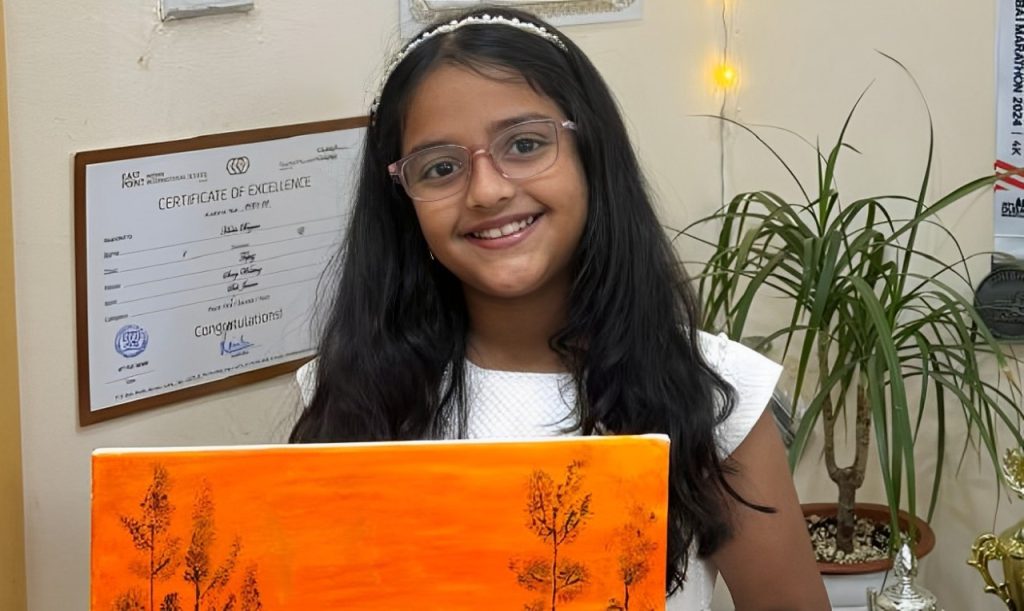
One of her notable paintings portrays a vivid depiction of fire, rendered with such intensity that it seems to leap off the canvas. The colors she chose—bright reds, oranges, yellows, and blacks—create a striking visual that captures the viewer’s attention. The trees in her painting appear bent and sorrowful, their darkened forms reflecting the devastating effects of fire. Huda’s portrayal of the flames is especially powerful; they twist and swirl in a dance, evoking a sense of both danger and vitality.

Huda Begum is not just an emerging artist; she is a voice for nature and an advocate for the preservation of our planet. Through her art, she invites us to reflect on our responsibilities toward the environment, urging everyone to take action in caring for the world around us.

Her journey in the arts is just beginning, and with her talent and passion, there’s no telling how far her creativity will take her. The Panorama International Arts Festival is proud to showcase Huda’s work, celebrating the brilliance of young artists who are destined to make a significant impact on the world.

Huda Begum: A Young Artist with a Passion for Nature and Creativity Read More »

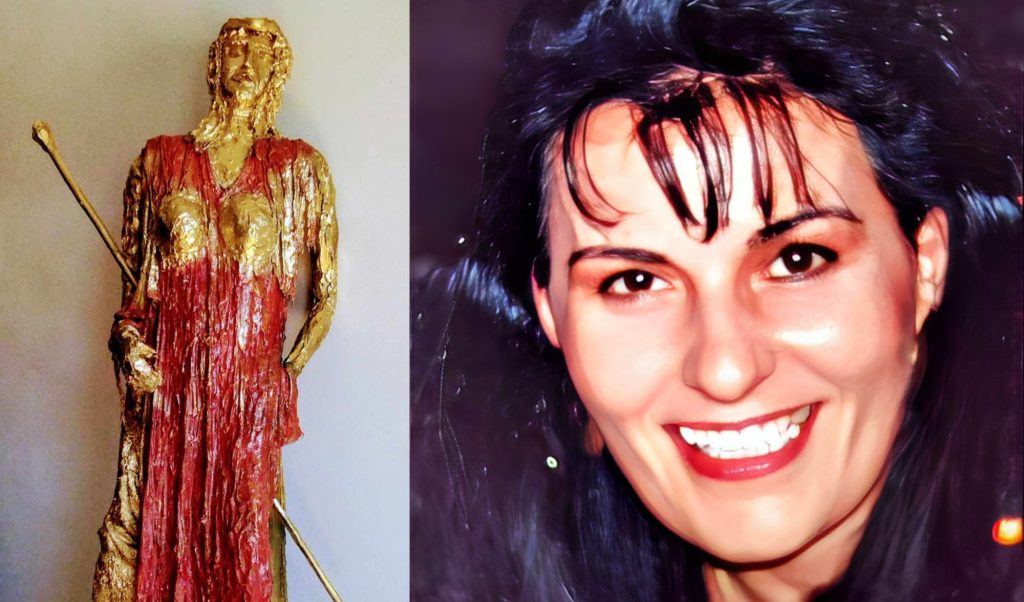
Meet Anais Anais: The Sculptor Who Brings Minoan Mythology to Life

Born in Crete, the island of myths and legends, Anna Athitaki Giakoumaki, also known by her artistic name Anais Anais, grew up surrounded by the rich cultural and mythological heritage of her homeland. From a young age, she found inspiration in the ancient Cretan myths, where figures like Ariadne, King Minos, and the ever-watchful guardian Talos stirred her imagination and guided her creative journey.

As she matured, Anais Anais transformed these early influences into a distinctive form of artistic expression. Her sculptures, characterized by a unique dynamism, breathe life into the mythological figures she admired as a child. Working primarily with materials such as cement and plaster, and using bold, vibrant colors, she has developed a signature style that is both modern and deeply rooted in the ancient world.

Over the past two decades, Anais Anais has held three solo exhibitions and has participated in more than 150 group exhibitions across Greece, Rome, Paris, Vienna, Budapest, Milan, Austria, and Germany. Her artistic contributions have earned her a respected place in the international art community, and she is also an active member of the UNESCO Group for Arts, Literature, and Sciences in Greece.

Now, Anais Anais is preparing to unveil her most ambitious project yet: a modern art museum dedicated to the gods and legends of Minoan mythology. Through her innovative and original sculptures, she invites viewers to connect with the timeless stories of Crete, where the ancient deities still roam, and their mythological world comes alive in contemporary art.

Anais Anais’ work is internationally recognized, and her art continues to be a source of inspiration for artists around the world. Through her sculptures, the pantheon of Minoan mythology is reimagined for a modern audience, ensuring that these ancient tales remain a vibrant part of artistic expression.

Meet Anais Anais: The Sculptor Who Brings Minoan Mythology to Life Read More »

Eugenia Esdras Padilla

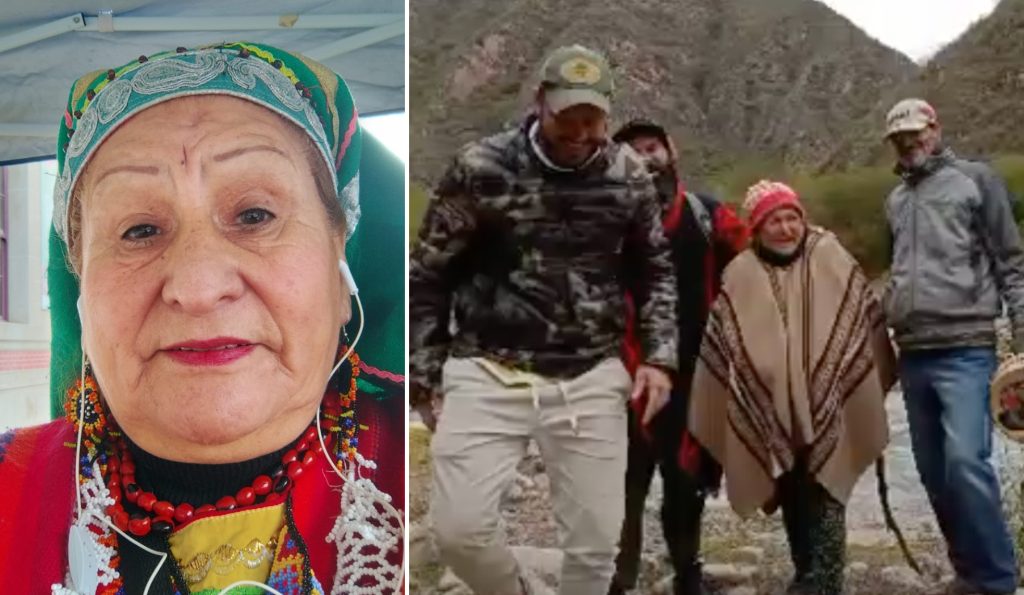
Eugenia Esdras Padilla: A Spiritual Healer and Guardian of Life

Eugenia Esdras Padilla, affectionately known as “Mamacuna,” is a name synonymous with healing, wisdom, and the preservation of spiritual harmony. Born in Peru, Eugenia has spent over two decades devoted to healing individuals emotionally and spiritually, using her profound connection with God and Pachamama, the revered Andean concept of Mother Earth. Her life’s mission has been to restore balance to those suffering from anxiety, stress, and emotional pain, conditions often seen as reflections of spiritual imbalances in Andean tradition.

Eugenia’s spiritual journey began in the highlands of Peru, where ancient wisdom and rituals were ingrained in the lives of the people. However, her path took her to Argentina, Buenos Aires, where she settled 30 years ago and began her life’s work as a healer. Now at 72, she is a beacon of hope for many, bridging the sacred teachings of the Andean tradition with modern spiritual healing practices. Her approach blends deep faith in God with an intimate relationship with the earth, making her work not just about healing individuals but also about protecting the natural world.

In her role as a Spiritual Healer, Eugenia helps individuals find solace and peace by addressing the emotional and psychological harm that often stems from spiritual misalignment. Her treatments, rooted in the ancient practices of her ancestors, offer a holistic approach to healing, one that encompasses the mind, body, and spirit. For those in distress, her gentle wisdom and soothing presence provide a sanctuary of healing.

Beyond her work with individuals, Eugenia’s influence extends to her role as a Peace Ambassador and protector of nature. She stands as a strong advocate for the conservation of forests and the environment, recognizing that the health of the earth is deeply intertwined with the spiritual health of humanity. Her commitment to Pachamama serves as a reminder of the sacred responsibility we all share in safeguarding the planet.

Eugenia Esdras Padilla is more than just a healer; she is a guardian of life, a spiritual guide, and a protector of the natural balance that sustains us. Her life’s work embodies the profound connection between the human spirit and the earth, reminding us that true healing can only be found when we honor both the divine and the natural world around us.

Eugenia Esdras Padilla: A Spiritual Healer and Guardian of Life Read More »

Ninfa Pema

Ninfa Pema: A Journey Through Art, Environmentalism, and the Dualism of Femininity

Ninfa Pema, a self-taught artist born in Tirana, Albania, has crafted an artistic journey defined by a constant evolution of style and technique. Growing up in an artistic environment with her brother graduating from the Academy of Fine Arts in Tirana and her mother’s later-life interest in art, Ninfa found herself surrounded by creativity. This environment nurtured her experimentation with materials and forms, allowing her to evolve her own unique artistic voice. Ninfa’s primary focus lies in crafting contemporary jewelry using recycled materials, embodying her philosophy of environmental preservation and sustainability.

Her educational background complements her artistic pursuits, holding a degree in Economics and Commerce from Tirana and a Master’s in Marketing and Strategy from France. This international experience has given her a global visual perspective, which is evident in her works. For over ten years, Ninfa has embraced a creative process centered on the transformation of everyday materials, breathing new life into objects often deemed worthless. Her pieces reflect not only artistic innovation but also a commitment to environmental responsibility, appealing to clients seeking distinct, eco-conscious designs.

Ninfa’s creations have found a wide audience on Instagram, where each piece is presented as a one-of-a-kind artistic statement. Her efforts were internationally recognized when she participated in the First International Women’s Art Festival in Tirana, where she achieved second place among 145 global artists. This achievement further fueled her drive to produce art that is not only aesthetically pleasing but also meaningful, adhering to her philosophy of environmental transformation.

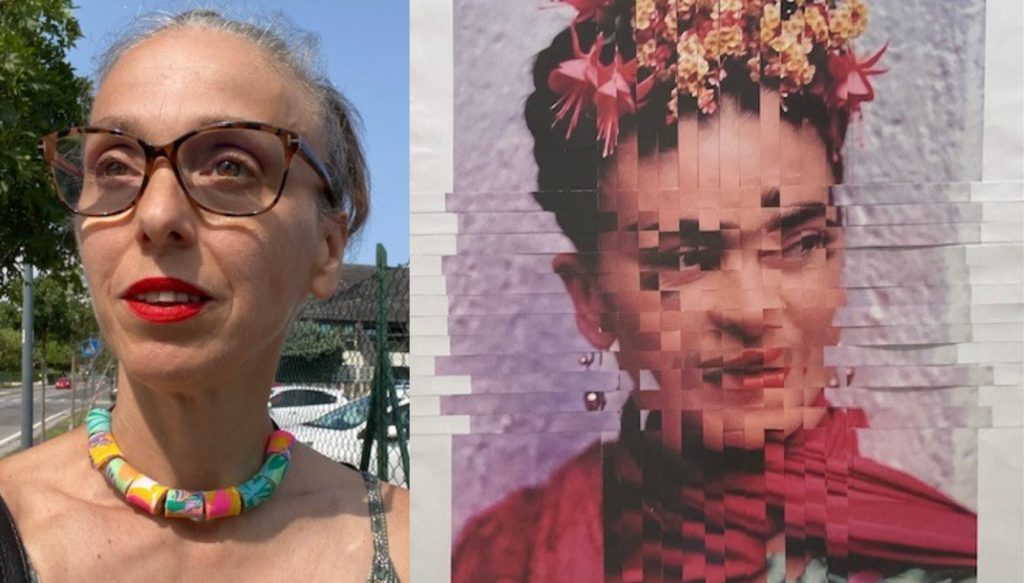
Among Ninfa’s notable works is her photographic manipulation titled “FRI-DA”, which delves deep into the dualism of women in contemporary society through the symbolic figure of Frida Kahlo. In this artwork, Ninfa explores the multi-layered nature of femininity, using Kahlo’s iconic image to represent the intersection of strength and vulnerability, passion and detachment. Frida, dressed in a vivid red gown, is not only a figure of beauty but also embodies the fiery spirit of Agni, the Vedic god of fire, symbolizing transformation, passion, and purification. The intense red hue serves as a metaphor for the burning inner strength present within all women, reflecting Kahlo’s life of resilience and artistic innovation.

The duality present in “FRI-DA” is further highlighted through the visual contrasts Ninfa weaves into the work: two intertwined figures of Frida seem to battle for prominence, representing the internal struggle between light and darkness, joy and sorrow. This dichotomy is at the core of Ninfa’s exploration of femininity, illustrating how modern women continuously navigate opposing forces in their lives. The interplay of light and shadow, life and death, and strength and fragility are all visually manifested in the abstract composition.

Frida’s floral headpiece in “FRI-DA” symbolizes enlightenment and creativity, much like the mythological Agni who brings forth light and knowledge. The vibrant flowers represent the blossoming of new ideas and the power of femininity to give birth to both life and art. Through this manipulation of color, form, and symbolism, Ninfa Pema’s “FRI-DA” offers a tribute to the complex nature of modern women, whose lives are a harmonious balance of seemingly irreconcilable opposites.

Ninfa’s artistic practice transcends mere aesthetic beauty; it serves as a powerful commentary on the contemporary woman’s journey, shaped by her experiences, environment, and ability to transform the mundane into something extraordinary. Her works, from recycled jewelry to photographic manipulations, embody her deep belief in the potential for transformation—both of materials and of the human spirit.

As Ninfa continues her artistic journey, she remains committed to exploring new techniques, evolving her style, and inspiring others to see the beauty and potential in the overlooked and discarded. In “FRI-DA”, and indeed in all her works, Ninfa Pema demonstrates the profound connection between art, life, and the philosophy of regeneration, offering a unique perspective on the complexity and beauty of the modern woman.

Ninfa Pema: A Journey Through Art, Environmentalism, and the Dualism of Femininity Read More »

Pablo Solari

Pablo Solari: A Life Shaped by Art, Tradition, and the Pursuit of Social Justice

Pablo Solari, born in Buenos Aires on April 13, 1953, embodies a deep connection to his Italian heritage and the rich artistic traditions that influenced his early years. As the son of Italian immigrants from Massarosa, Italy, Solari grew up in a home that nurtured his love for art and instilled in him a passion for creativity that would shape his entire life. By the age of 2, he was already drawing and crafting comics, and at 8, he began formal art training at a children’s art school, where he explored various painting techniques that laid the groundwork for his future endeavors.

At 13, Solari made a pivotal decision to break away from merely replicating classic works and instead began forging his own artistic identity. This turning point led him to leave formal education, embarking on a self-guided artistic journey supported by his parents. Solari immersed himself in the study of great artists, not only mastering their techniques but also absorbing the nuances of their biographies and creative philosophies. This extensive, independent study equipped him with a rich, multifaceted understanding of art history, which he has synthesized into a distinctive style that bridges historical influences with his own vision.

In 1974, eager to improve his understanding of form, Solari turned to sculpture, studying under the guidance of Roberto Tessi for three years. This experience heightened his proficiency in drawing and gave him a new dimension of artistic expression. However, painting remained his true passion, and in 1990 and 1992, Solari refined his craft through further study with artist Osvaldo Dubati. These experiences solidified Solari’s unique artistic approach, which blends classical techniques with a profound social message.

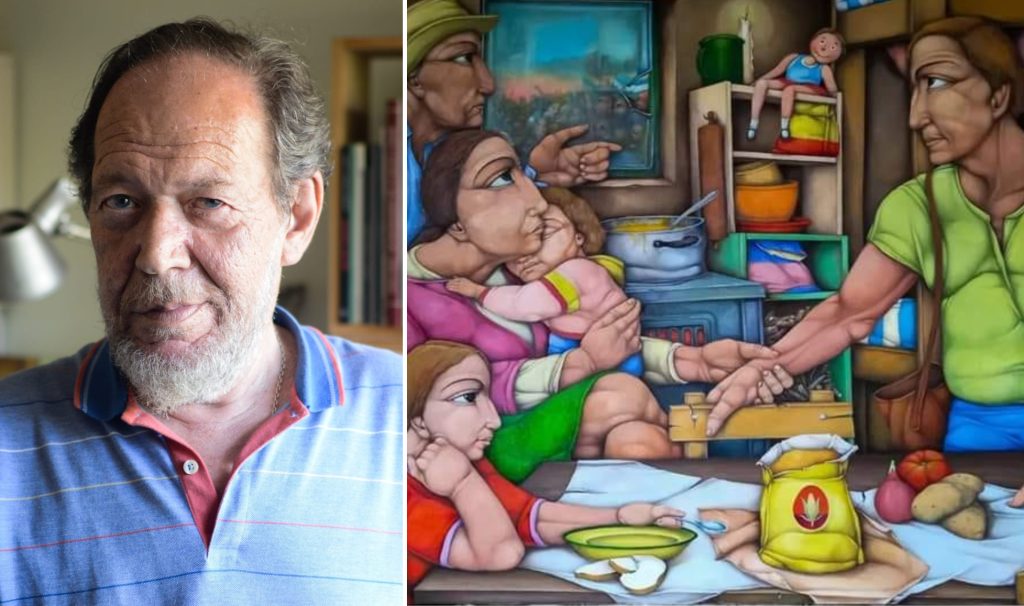
One of Solari’s most powerful recent works, “Standing” (oil on canvas, 90×110 cm, 2024), reflects his deep commitment to themes of social justice and human dignity. The painting depicts a family struggling with hunger, their future precarious as they face the harsh realities of a society indifferent to their plight. With no bread on the table and barely enough food, the family is portrayed as trapped in a desperate situation. Outside the window, protestors march, demanding the rights and dignity that have been denied to them. The family represents the millions of ordinary people grappling with systemic injustice, and the tension within the painting captures the universality of their struggle.

At the heart of the scene stands the grandfather, a figure of resilience, drawing from the historical struggles for workers’ rights. He leads the family in confronting their hardship, embodying the perseverance that has carried generations through times of deprivation. The mother, clinging to her children, symbolizes protection and love amidst adversity, while the father, seeing his child’s empty plate, rises to take action, his heart ignited by the fierce passion to ensure his family’s survival.

The painting’s palette, rich in fiery hues, conveys the urgency and intensity of the struggle. The colors burn with the heat of passion and defiance, symbolizing the fight for survival and the hope for a better future. Solari’s brushstrokes breathe life into the scene, transforming a moment of despair into a powerful call for social justice. Through “Standing,” Solari speaks not only to the personal struggles of the depicted family but to the collective fight for dignity and rights shared by all oppressed people.

The painting embodies the core of Solari’s artistic philosophy—an unwavering belief in the right to life, the right to provide for one’s family, and the right to a future where education, medicine, and basic human needs are not denied. The figures in “Standing” are not isolated in their suffering; rather, they stand in solidarity with others, reflecting Solari’s rejection of the destructive individualism that has contributed to the world’s current crises. Outside the window, the march continues, representing hope, regeneration, and the ongoing fight for the rights of all people.

Pablo Solari’s art serves as a vivid reminder of the power of creative expression to highlight the pressing issues of our time. Through his work, Solari continues to inspire audiences to reflect on their own roles in the fight for justice, urging us to consider the greater good and to stand united in the pursuit of a more equitable world.

Pablo Solari: A Life Shaped by Art, Tradition, and the Pursuit of Social Justice Read More »

Katerina Solomou

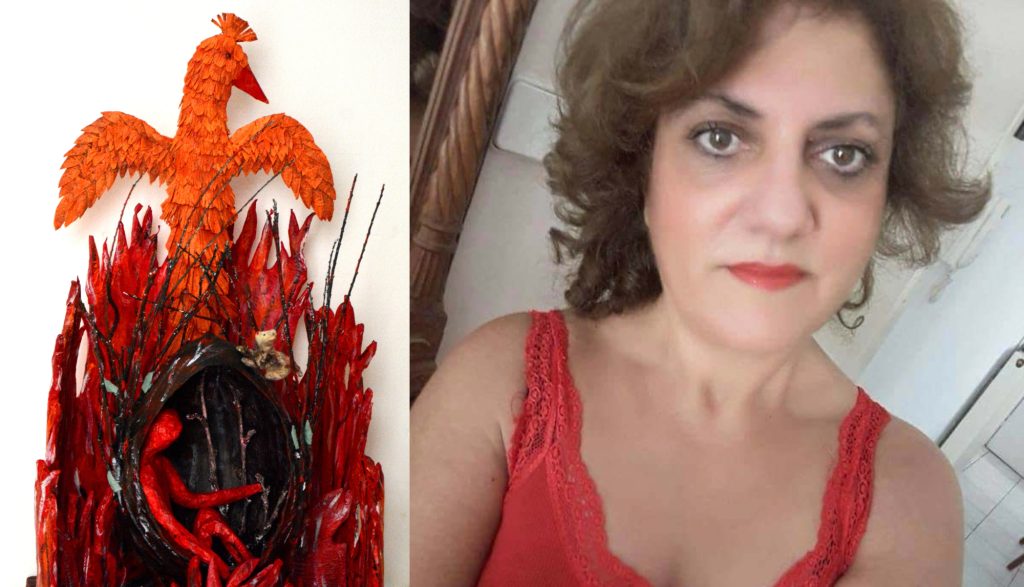
From Ashes to Art: Katerina Solomou’s Creative Journey

Katerina Solomou was born in Germany and grew up in Thessaloniki, Greece. After graduating from a School of Accounting and Secretarial Support, she dedicated 27 years to working at the Aristotle University of Thessaloniki before retiring.

Katerina pursued her passion for art by taking jewelry courses at the YMCA. She has participated in numerous group exhibitions, both domestically and internationally, and her artwork is characterized by vibrant, cheerful colors. Notably, one of her pieces, themed “Peace,” was gifted to the Greek Consulate in Paris.

Since childhood, Katerina has also expressed herself through poetry, with five of her poems included in the book Poetry: A Road to Dreaming Thessaloniki – Athens. As an amateur visual artist, Katerina utilized the quarantine period to explore her creativity with clay, eventually discovering a fascination with sculptural forms made from recyclable materials. Her hobby is not just an outlet for expression; it reflects her journey toward personal evolution and balanced living.

Katerina’s creations are deeply inspired by her experiences and emotions, aiming to stimulate the viewer’s senses. She actively participates as a designer in the annual fashion show organized by the Friends of the New Waterfront Thessaloniki, showcasing clothing made from recyclable materials. In 2021, she won first prize in the 11th World Art Competition commemorating the 200th anniversary of the Greek Revolution for her model featuring 12 figures made from recyclable materials, titled “The Oath at Agia Lavra,” inspired by Theodoros Vryzakis’ painting.

Additionally, Katerina contributed two works made from recyclable materials to the exhibition “War and Peace” organized by the Writers Capital Foundation. Her artistic contributions have also been published in the book Visual Arts Creators and Creations by M. Michalakis.

Currently residing in Thessaloniki, Katerina continues her artistic journey, primarily focusing on small-sized sculptural forms and alternative jewelry crafted from recyclable materials. She is driven by the mission to convey an important message, particularly to children whom she adores: that nothing goes to waste. Recycling, in her view, is a vital responsibility for each individual, essential for the planet’s salvation.

Katerina eloquently reflects on the destructive impact of forest fires, stating, “The fire in the forest brings a painful end to the fauna and flora. The sight of flames burning trees—the lungs of oxygen and crops—is atrocious. The heart-wrenching loss of birds, reptiles, and animals consumed by flames is devastating.” She emphasizes that forest fires have severe consequences for the environment, economy, society, and human health, leaving lasting scars in affected areas. Katerina advocates for institutional protection to ensure that burned lands are restored and not repurposed.

Yet, amidst the devastation, she finds hope in nature’s resilience: “It is promising that some seeds have life for many years, are resilient, and timidly sprout to regenerate burned areas.” Drawing inspiration from the mythical Phoenix, Katerina highlights the bird’s unique ability to rise from its ashes, symbolizing the power of humans to rejuvenate through challenges. “The Phoenix prompts us to spread our wings with artistic inspiration and emerge anew, shedding the ashes of our past,” she asserts.

In embracing the spirit of the Phoenix, Katerina Solomou invites us to transform our losses into opportunities for growth, encouraging a collective journey towards renewal and resilience.

From Ashes to Art: Katerina Solomou’s Creative Journey Read More »